
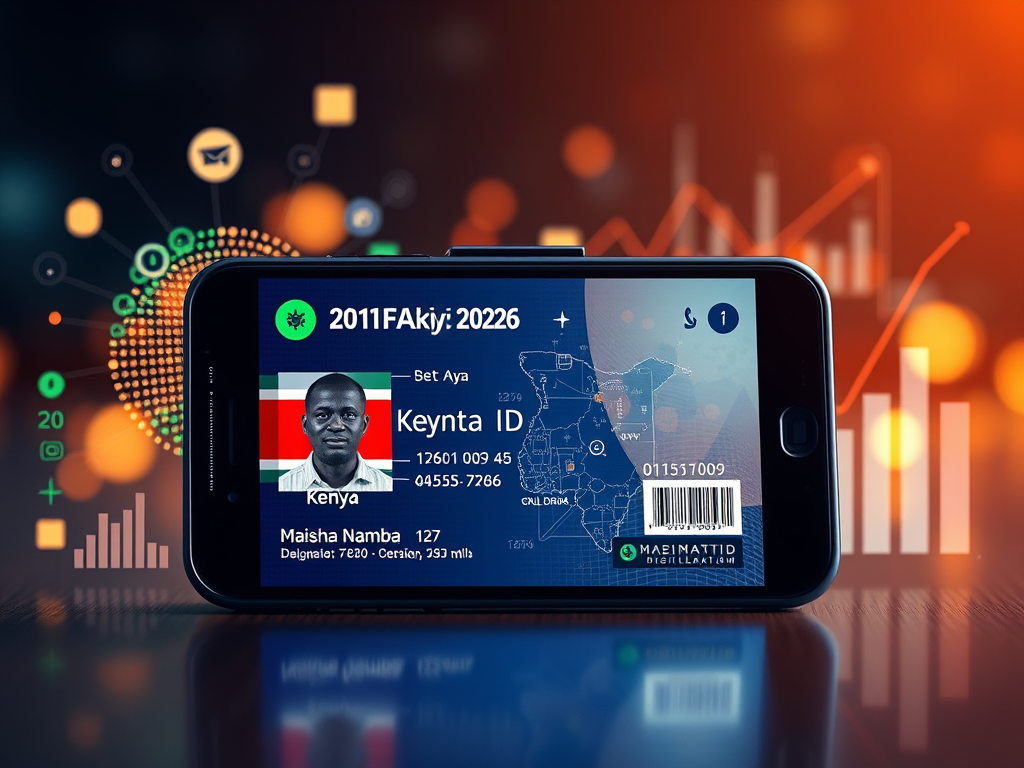
Kenya’s Digital ID by 2026: Promise, Progress, and the Stakes Ahead
By Jamahl Hokstam
Kenya is entering a pivotal phase in its digital transformation, with the rollout of its new digital identity system — commonly referred to as Maisha Namba — expected to accelerate through 2026. The initiative represents one of the country’s most ambitious attempts to modernize public services, streamline identity verification, and build a foundation for a more connected digital economy. As implementation continues, the system has sparked both optimism and concern, reflecting Kenya’s long and complex history with identity programs.
What the Digital ID System Is Designed to Do
At the core of the initiative are four elements: a unique personal identifier (UPI) assigned from birth, a Maisha Card equipped with secure chip technology, a digital ID accessible via smartphones, and a National Population Master Register that houses identity information. Together, these components are intended to create a central, verifiable identity system that can be used across government agencies and financial institutions.
The digital ID rollout aligns with Kenya’s Digital Master Plan (2022–2032), which aims to expand the digital economy, improve service delivery, and enhance interoperability across government platforms. Plans under Huduma Kenya and the national financial inclusion strategy further embed digital identification into future economic and administrative reforms.
Progress and Current Rollout
Pilot programs began in late 2023, and by 2025–2026, Kenya has expanded enrollment through mobile registration drives and free issuance of ID cards under a presidential directive. Government agencies have begun integrating the digital ID into service centers, with the goal of enabling more seamless access to social benefits, education records, healthcare, and other essential services.
The physical Maisha Card and its digital counterpart are designed to support biometric verification — including fingerprints, facial recognition, and iris scans — offering a higher level of security than traditional ID systems.
Concerns and Challenges
Despite its promise, the digital ID system faces several challenges. Privacy advocates have raised concerns about data protection, biometric security, and the potential for misuse or surveillance. Court challenges and civil society reports have emphasized the need for clearer rules on how identity data is stored, shared, and accessed.
Another significant concern is inclusivity. Kenya has historically struggled to ensure that marginalized groups — such as communities with limited documentation or those in remote areas — are not left behind. Critics argue that without careful governance, digital systems can unintentionally deepen inequality by excluding individuals who lack technology access, connectivity, or digital literacy.
Public trust is also a hurdle. Previous identification efforts, such as Huduma Namba, faced skepticism, and some citizens remain cautious about adopting a new system without stronger assurances of transparency and accountability.
Opportunities by 2026
If implemented effectively, the digital ID system could deliver substantial benefits by 2026. It may reduce bureaucratic inefficiencies, curb identity fraud, and create a more reliable framework for accessing government services. In the financial sector, digital identification could expand access to banking, digital payments, and credit for underbanked populations, strengthening financial inclusion across the country.
For the broader economy, a trusted identity system could encourage growth in fintech, e-commerce, and digital public infrastructure, making Kenya more competitive globally and positioning it as a leader among African nations pursuing digital transformation.
The Road Ahead
Kenya’s digital ID initiative sits at the intersection of innovation and public concern. By 2026, the country could achieve a major leap forward in how citizens interact with government and financial systems. But the outcome depends heavily on how the government addresses privacy, inclusion, communication, and trust.
Success would mean more efficient services, greater economic participation, and a modernized governance framework. Failure could deepen skepticism and slow the momentum of Kenya’s digital future.
As the country continues toward its 2026 goals, one thing is clear: Kenya’s digital ID system represents more than a technology upgrade — it is a test of how a nation balances progress with protection, and ambition with accountability.
