
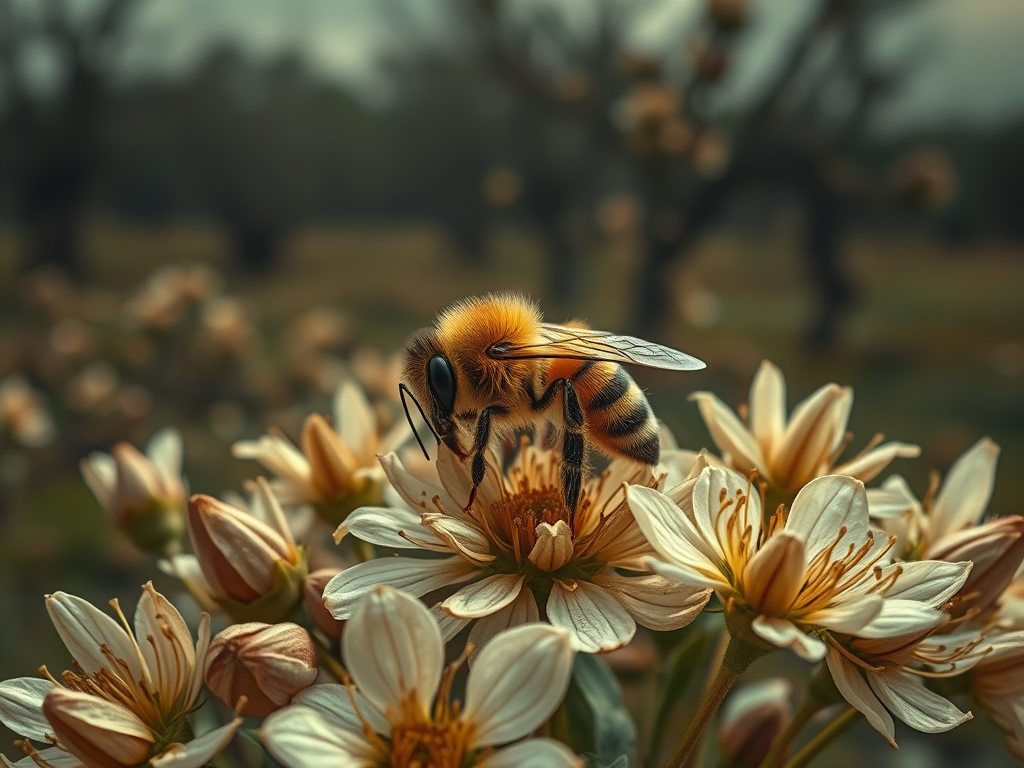
The buzz is going silent across America.
Beekeepers across the U.S. are sounding the alarm after reporting the highest honeybee colony losses in recorded history — with some operations losing over 60% of their colonies in less than a year. According to recent surveys, these figures aren’t outliers. This is the new normal. And it’s terrifying.
“Something real bad is going on,” one beekeeper told People. It’s not hyperbole. It’s a slow-motion disaster with massive implications for the food we eat, the prices we pay, and the fragile ecosystems we depend on.
Washington State University researchers now warn that honeybee losses could hit 70% in 2025. That’s not just a number — that’s a crisis. Bees are responsible for pollinating more than a third of the crops we consume, including almonds, apples, berries, and broccoli. If the bees vanish, so does your dinner.
So what’s killing the bees? The answer is messy, layered, and very human.
Pesticides. Climate change. Habitat destruction. Parasites.
Each one is lethal enough. Together, they form a perfect storm.
One of the biggest threats is the varroa mite — a parasitic nightmare that latches onto bees and drains them dry, literally. Combine that with exposure to neonicotinoid pesticides, the destruction of wildflowers from monoculture farming, and erratic weather shifts caused by climate change, and you get a situation even seasoned entomologists are calling “catastrophic.”
Bees are essentially being poisoned, parasitized, starved, and stressed — all at the same time. And while policymakers drag their feet and Big Ag continues to saturate fields with chemicals, the bees don’t have the luxury of time.
Meanwhile, California’s almond industry — the largest in the world — is already feeling the sting. Almond trees rely almost exclusively on honeybee pollination. No bees, no almonds. No almonds, no billion-dollar industry. What used to be a reliable annual partnership between farmers and beekeepers is now a desperate scramble for surviving colonies.
In response, some farmers are turning to alternative pollinators like mason bees — solitary, native species that don’t produce honey but are incredibly efficient pollinators. It’s a hopeful pivot, but not a full solution. Mason bees can’t scale to replace honeybees in industrial agriculture — at least not yet.
So where does this leave us?
Right now, the people fighting for bees aren’t just doing it for honey or farmers. They’re fighting for biodiversity, food security, and a future where ecosystems don’t collapse under the weight of human negligence.
This isn’t some distant environmental issue you can ignore until it hits the news cycle again. It’s already in your grocery store, your backyard, and your plate.
The bees are dying. We just haven’t listened loud enough.
